Insight

When is an app considered a medical device?

When is an app considered a medical device?

Courtney Smith

Photo of Courtney Smith

Courtney Smith

digital marketing assistant

5 minutes

time to read

December 1, 2025

published

The digital health world is moving fast, and with it comes a growing wave of apps designed to help people track symptoms, manage chronic conditions, or even get personalised medical insights from their phones. It’s an exciting space, and one we see more partners exploring as they look to modernise how they support patients.

But there’s a moment in every health-focused project where a crucial question appears:

“Is this still a wellbeing app… or have we just stepped into medical device territory?”

It’s a bigger question than it looks.

Because the answer doesn’t just affect branding or app-store guidelines, it shapes the entire development process, from design and data handling to testing, quality assurance, and long-term maintenance.

For anyone working with app developers in the UK to build a health-related product, understanding this line early is essential.

Let’s break it down in a way that’s genuinely useful…
 

Start with the simplest (and most important) filter: What’s the app for?

The MHRA (the regulator for medical devices in the UK) doesn’t start with features or technology. It starts with an intended purpose.

In practice, that means:

  • What does your app claim to do?
  • What do users believe it will help them with?
  • How will the information it provides be used?

If your app is aimed at general wellbeing (encouraging steps, supporting meditation, logging moods or habits), you’re probably safe on the “lifestyle app” side of the fence.

But if your app is designed to:

  • diagnose a condition
  • monitor a disease
  • predict symptoms or flare-ups
  • recommend treatments or actions
  • or inform clinical decisions

…then you’ve crossed the line into medical device territory.

And here’s the nuance that catches people out:

It doesn’t matter whether the app is capable of medical accuracy, only whether it claims to be.

If your onboarding screen says “We’ll help identify early signs of X”, that’s a medical claim. If your website says “Our app can help you determine whether you need clinical attention”, that’s a medical claim. If your UI displays a score that implies a diagnosis or treatment recommendation, that’s a medical claim.

Even if that claim was meant to be “friendly” or “helpful”, it still triggers regulation.

This is why we encourage partners to involve their development team early, especially teams that understand how fast wording can shift risk categories.


What about apps that feel medical but aren’t actually medical devices?

Let’s clear up the other side of the line, because not all health-adjacent apps need clinical approval.

Apps that typically don’t qualify as medical devices include:

  • step counters
  • sleep trackers
  • calorie or nutrition logs
  • journaling or mood-tracking apps
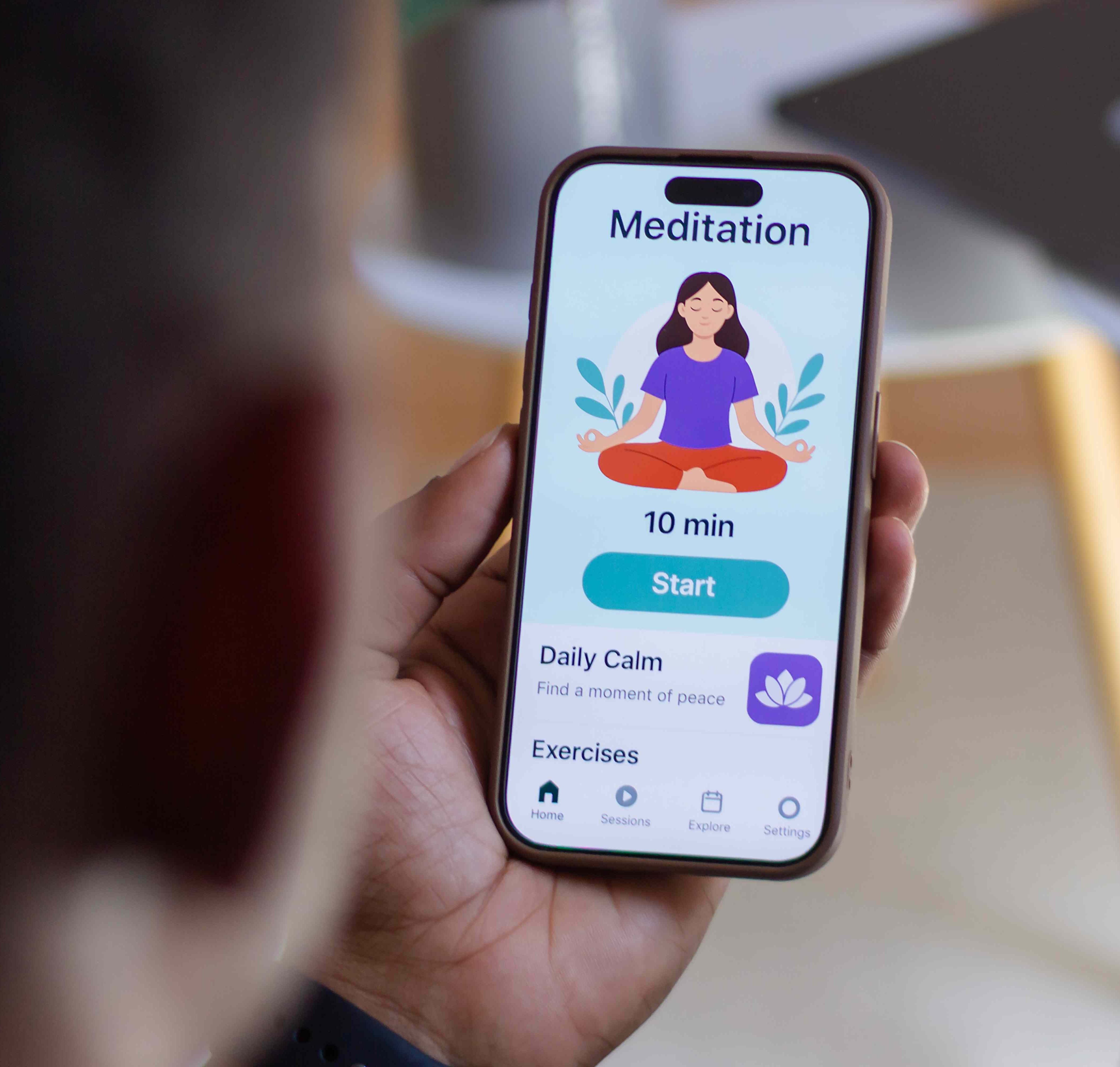
  • meditation and breathing apps
  • menstrual cycle trackers that don’t make medical predictions

These apps deal with wellbeing, activity, lifestyle, and general health support, but they avoid interpreting data in a way that replaces professional advice.

wellness apps

To put it simply:

Wellbeing apps help you notice patterns.

Medical apps help you act on them.

The moment your app influences action (especially medical action), the rules tighten.

Image source.


Why making this distinction early matters (and not just for compliance)

If your app might fall under medical device regulation, discovering this late in development is the worst-case scenario.

It affects almost everything under the surface:


Your data model

Medical-grade apps need clearer audit trails, more structured data, and tighter security controls.


Your UX and visual design

Interfaces must avoid misleading users; subtle colour choices or wording can imply risk levels, which instantly changes classification.


Your testing and documentation

Medical devices need traceability, validation, and repeatable processes. Your QA process suddenly becomes part of the legal compliance journey.


Your release strategy

Submitting a regulated medical app to app stores involves more than the usual checklist.


Your long-term responsibility

Once it’s live, you’re required to monitor incidents, update safely, and report any issues proactively.

None of this is difficult when planned, but it’s incredibly challenging when bolted on at the end. This is why partnering with seasoned app programmers in the UK (who have worked within regulated sectors before, like us!) can save months of rework.


medical device

A simple way to understand how apps are classified

Medical device classification sounds intimidating, but you don’t need a regulatory degree to understand the basics.

Here’s a simplified version:

The more impact your app might have on someone’s health, the higher its classification, and the stricter the requirements.

Imagine three different apps dealing with the same condition:

App A: “Track your asthma symptoms and see patterns over time.” ➡ Likely not a medical device.

App B: “Based on your symptoms, we’ll show your risk of a potential asthma flare-up.” ➡ Likely is a medical device.

App C: “Based on your flare-up risk, we recommend you increase inhaler use.” ➡ Definitely a medical device, and a higher-risk one.

Nothing technical changes between A, B, and C. The difference is the impact on user decisions.


Where AI complicates things (and why that’s OK)

Many modern health apps now use machine learning (even simple forms of it) to detect trends, classify symptoms, or automate decision support.

But here’s the key line:

If AI influences diagnosis or treatment, regulation becomes non-negotiable.

That doesn’t mean AI is off-limits, far from it.

It simply means transparency, explainability, and validation matter even more. And this is why working with skilled app developers who understand both AI and healthcare is so important, it’s easy to unintentionally create a medical device without meaning to.


So… when should you treat your app as a medical device?

If you’re unsure, this rule rarely fails you:

If the app guides medical decisions (even a little), assume it’s a medical device.

It’s safer, it’s clearer, and it ensures users aren’t misled.


Build boldly, but build with intention

Digital health is one of the most exciting areas in tech right now. The potential for apps to support patients, lighten workloads, and improve access to care is huge. But it comes with responsibility - not just to regulators, but to users who depend on that information.

Understanding when an app becomes a medical device isn’t there to slow innovation. It’s there to make sure innovation is safe, reliable, and trustworthy.

And if you’re stepping into this space (whether you’re commissioning an app or building one yourself), choosing the right development partner matters. You’ll want a team that understands what makes a great user experience and what medical-grade quality looks like behind the scenes.

 
contact us

Apply theses insights

Contact us to discuss how we can apply theses insights to your project